



In 2026, fitness is no longer a solitary journey. Across cities worldwide, people are redefining how they stay active by blending technology, community, and accountability. One of the most notable developments is the rise of social jogging platforms, where users connect with strangers to run together in real time. Platforms like https://letzrelay.com/ are helping turn what was once an individual routine into a shared experience, making daily jogging more engaging, consistent, and effective for long-term fitness.
This shift reflects a broader change in how people approach health. Instead of relying solely on discipline or motivation, individuals are building systems that make healthy habits easier to maintain. By combining digital tools with real-world interaction, social fitness apps are removing one of the biggest barriers to exercise: isolation. For many, running with strangers has become not just a workout, but a lifestyle upgrade that supports both physical and mental wellbeing.
The Rise of Social Fitness and the JFP App Movement

The idea of exercising with strangers may have seemed unusual a decade ago, but in 2026, it has become a rapidly growing trend. At the center of this movement is the Jogging Friend Platform (JFP) model—apps designed to match users based on location, pace, fitness goals, and availability. These platforms create instant micro-communities, allowing people to find running partners within minutes.
The appeal of the JFP app lies in its simplicity and effectiveness. Users log in, set their preferences, and are matched with nearby runners who share similar goals. Whether someone is a beginner looking for a slow-paced jog or an experienced runner training for endurance, the app ensures compatibility. This reduces friction and eliminates the uncertainty of finding the right workout partner.
From a behavioral perspective, this model addresses a key issue in fitness adherence: accountability. Studies have consistently shown that people are more likely to stick to exercise routines when they feel socially responsible to others. Knowing that someone is waiting at a meeting point creates a psychological commitment that is far stronger than self-motivation alone.
Moreover, running with strangers introduces a subtle but powerful form of positive peer pressure. When individuals see others maintaining pace, pushing through fatigue, or showing consistency, it naturally encourages them to do the same. Over time, this leads to improved endurance, better cardiovascular health, and increased confidence.

Safety features are also a critical component of modern JFP apps. Verified profiles, real-time tracking, and user ratings help ensure that interactions remain secure and trustworthy. This has made the concept accessible to a broader audience, including those who may have previously been hesitant to engage in social fitness activities.
Daily Jogging as a Sustainable Path to Better Health
While high-intensity workouts and complex training programs often dominate fitness trends, daily jogging remains one of the most effective and sustainable ways to improve overall health. In 2026, the focus has shifted toward consistency rather than intensity, and social jogging apps are perfectly aligned with this philosophy.
Jogging offers a wide range of health benefits, including improved cardiovascular function, enhanced metabolism, and better mental clarity. Unlike more extreme forms of exercise, it is accessible to people of all fitness levels and requires minimal equipment. This makes it an ideal foundation for long-term health.
What has changed is how people integrate jogging into their daily routines. With the help of JFP apps, running is no longer something individuals struggle to fit into their schedules. Instead, it becomes a structured and anticipated part of the day. Scheduled meetups create a sense of routine, turning jogging into a habit rather than a chore.
The social aspect also plays a significant role in reducing dropout rates. Many people abandon fitness programs because they feel bored or unmotivated. Running with different partners introduces variety and keeps the experience fresh. Conversations during runs can distract from physical fatigue, making the activity feel less demanding and more enjoyable.
Mental health benefits are equally important. Regular jogging has been linked to reduced stress, improved mood, and better sleep quality. When combined with social interaction, these effects are amplified. Engaging with new people, sharing experiences, and building connections contribute to a sense of belonging that extends beyond physical fitness.
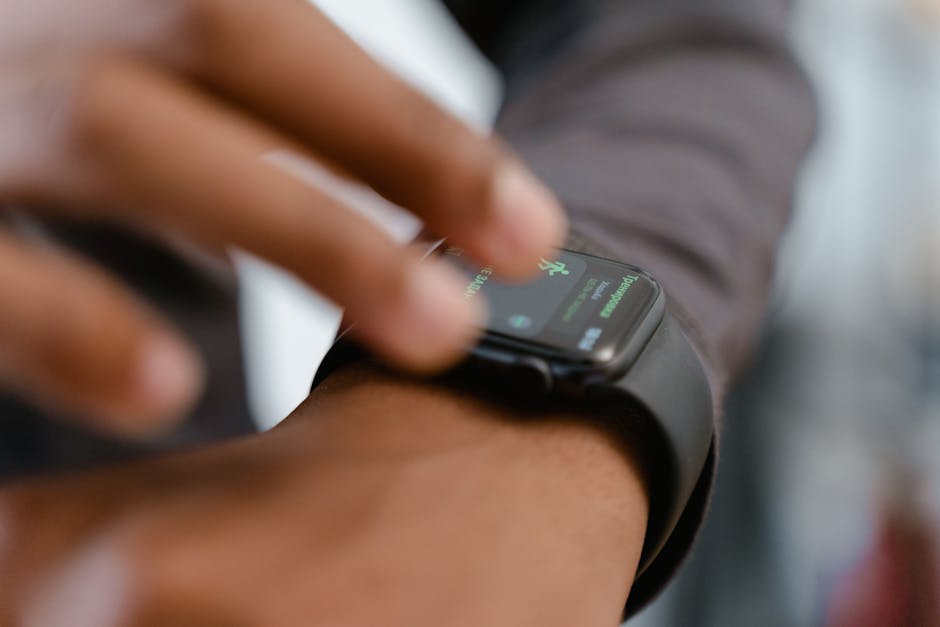
Another key advantage is adaptability. Users can choose different running partners based on their daily energy levels or goals. On days when they feel less energetic, they can join a slower group. On more motivated days, they can challenge themselves with faster runners. This flexibility makes it easier to maintain consistency over time.
Technology, Community, and the Future of Fitness
The success of JFP apps highlights a larger trend: the integration of technology and community in shaping future health behaviors. Fitness is no longer just about individual effort—it is about creating environments that support and sustain healthy choices.
Artificial intelligence is increasingly being used to enhance the user experience. Advanced algorithms analyze user behavior, performance data, and preferences to provide smarter match recommendations. Over time, the system learns what works best for each individual, making the experience more personalized and effective.
Gamification is another important element. Many apps incorporate challenges, milestones, and rewards to keep users engaged. These features tap into intrinsic motivation, encouraging users to set goals and track progress. Combined with social interaction, gamification creates a powerful feedback loop that reinforces positive habits.
Urban environments are also adapting to this trend. Cities are investing in safer running paths, better lighting, and public fitness infrastructure to support active lifestyles. As more people participate in social jogging, the demand for accessible and safe spaces continues to grow.

Looking ahead, the concept of “fitness as a network” is likely to expand beyond jogging. Similar models are already being applied to cycling, hiking, and even group wellness activities. The core idea remains the same: connecting individuals to create shared accountability and motivation.
Importantly, this approach democratizes fitness. People no longer need expensive gym memberships or personal trainers to stay in shape. With just a smartphone and access to a platform, anyone can participate in a structured, supportive fitness ecosystem.
The long-term implications are significant. As more individuals adopt these habits, the overall health of communities improves. Reduced rates of obesity, cardiovascular disease, and mental health issues could lead to lower healthcare costs and higher quality of life.
Ultimately, the rise of daily jogging with strangers through JFP apps represents more than just a trend—it signals a fundamental shift in how people approach health. By combining technology, social connection, and simplicity, this model makes fitness more accessible, enjoyable, and sustainable.
In a world where time is limited and distractions are constant, the ability to turn a simple activity like jogging into a meaningful, shared experience is a powerful innovation. For many in 2026, getting into shape is no longer about going it alone—it’s about running forward together.