

In the evolving landscape of digital culture, online art galleries are no longer just virtual replicas of physical spaces. They have become powerful platforms that democratize exposure, giving smaller artists and photographers opportunities that were once reserved for elite circles. As audiences increasingly consume art online, curated digital galleries are shaping not only how art is discovered but also who gets seen. Platforms like https://letzrelay.com/ are part of this broader movement, helping bridge the gap between underrepresented creators and global audiences.
This transformation is happening at a time when the traditional art world still struggles with accessibility and gatekeeping. Physical galleries often prioritize established names, leaving emerging talents with limited options. Online curation, however, is rewriting those rules. With fewer barriers to entry and a global reach, digital galleries are offering a more inclusive space where creativity—not connections—determines visibility.
At the same time, the role of the curator is evolving. No longer confined to selecting works for physical exhibitions, modern curators are becoming storytellers, community builders, and digital strategists. Their work involves not just choosing art, but contextualizing it in ways that resonate with online audiences. This shift is critical in helping smaller artists stand out in an increasingly crowded digital environment.
The Rise of Digital Curation as a Gateway for Emerging Talent
One of the most significant developments in recent years is the emergence of curated online galleries specifically designed to spotlight lesser-known creators. Unlike open marketplaces where content can easily get lost, curated platforms provide structure and narrative, helping audiences discover new voices in a meaningful way.
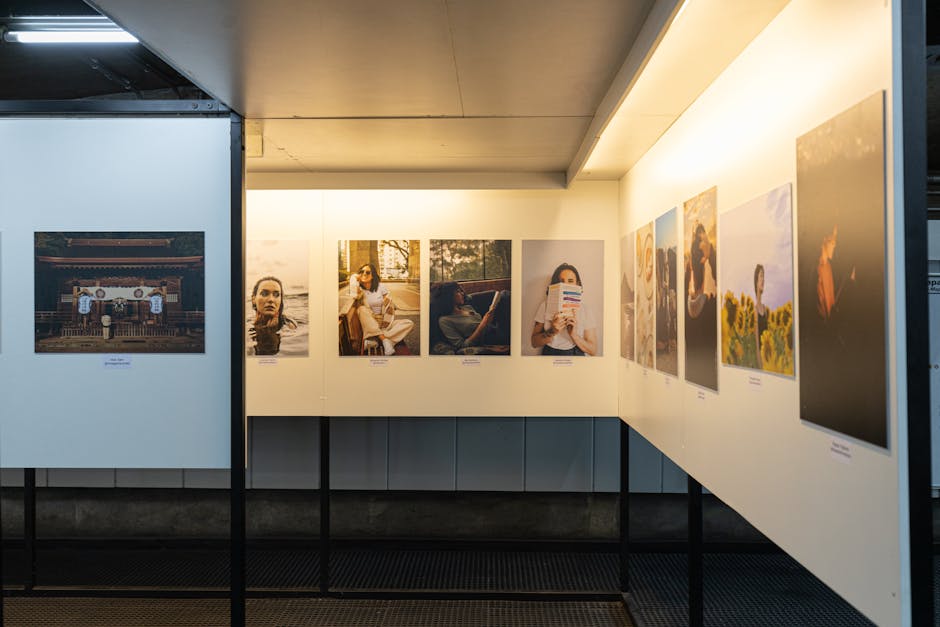
Curation acts as a filter, but not in the exclusionary sense traditionally associated with the art world. Instead, it serves as a tool for highlighting diversity and originality. Curators actively seek out artists who bring unique perspectives, often focusing on those who lack institutional representation. This approach not only enriches the art ecosystem but also introduces audiences to fresh, authentic work.
For photographers, this shift has been particularly impactful. The rise of social media initially gave photographers a way to showcase their work, but it also created intense competition and algorithm-driven visibility. Curated galleries offer an alternative—one where quality and storytelling take precedence over engagement metrics. By presenting work within a curated context, these platforms elevate photography from content to art.
Another key factor driving this trend is accessibility. Artists no longer need to navigate complex gallery systems or secure physical exhibition spaces. With digital platforms, they can submit their work from anywhere in the world. This has led to a more geographically diverse art scene, where talent from underrepresented regions can gain international recognition.
Economic opportunities are also expanding. While exposure remains a primary benefit, many curated platforms now integrate sales, commissions, and collaborations. This allows artists to monetize their work without relying solely on traditional galleries. For many emerging creators, this hybrid model of visibility and income is a game-changer.
Building Trust, Narrative, and Audience Engagement Through Online Galleries
Beyond visibility, curated online galleries play a crucial role in building trust between artists and audiences. In a digital space saturated with content, credibility is essential. Curated platforms provide a layer of validation, signaling to viewers that the work has been thoughtfully selected and contextualized.
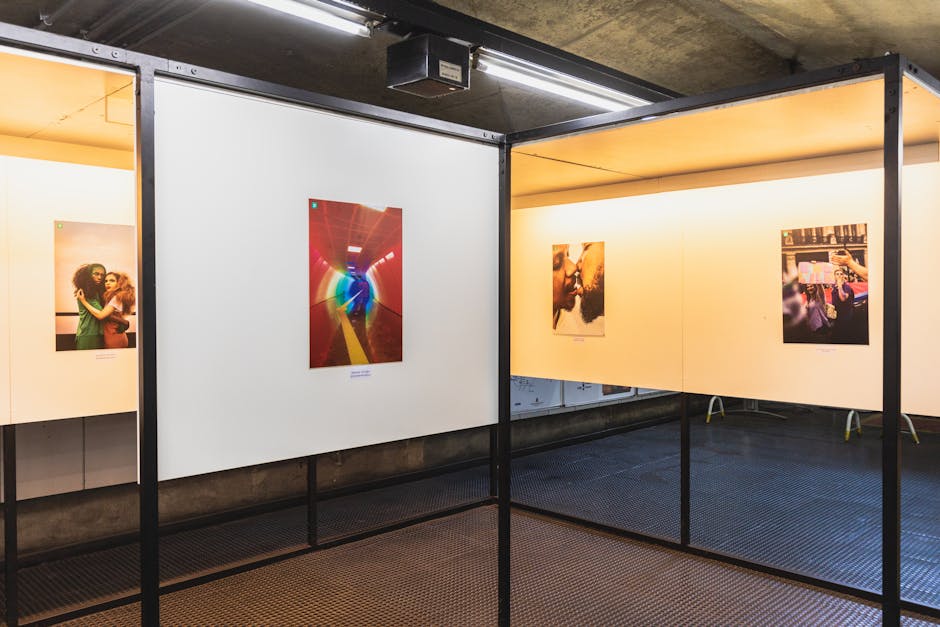
This trust is reinforced through storytelling. Rather than simply displaying images, many galleries include artist statements, interviews, and thematic narratives. These elements help audiences connect with the work on a deeper level, transforming passive viewing into meaningful engagement.
Narrative-driven curation also benefits artists by giving their work context. For smaller creators, this is especially important. Without an established reputation, their art may be overlooked if presented without explanation. Curators bridge this gap by framing the work within broader cultural, social, or artistic themes.
Audience engagement is further enhanced through interactive features. Virtual exhibitions, live discussions, and community-driven events are becoming standard in online galleries. These experiences create a sense of participation, making art more accessible and less intimidating. For many viewers, this lowers the barrier to entry, encouraging them to explore and support emerging artists.
Social media integration also plays a role, but in a more strategic way. Instead of relying solely on algorithms, curated platforms use social channels to amplify selected works. This targeted approach ensures that artists receive meaningful exposure rather than fleeting attention.
Importantly, these platforms are fostering communities rather than just audiences. Collectors, enthusiasts, and creators can interact directly, creating a feedback loop that supports growth and collaboration. This sense of community is a defining feature of modern digital art spaces.
Challenges, Opportunities, and the Future of Inclusive Art Platforms
While the rise of curated online galleries presents significant opportunities, it also comes with challenges. One of the main concerns is maintaining quality while remaining inclusive. As more artists seek exposure, curators must balance openness with careful selection to ensure that platforms retain their credibility.

Another challenge is sustainability. Many emerging platforms operate with limited resources, relying on small teams or independent curators. Ensuring long-term viability requires innovative business models that support both the platform and the artists it represents.
Despite these challenges, the opportunities are substantial. Advances in technology are opening new possibilities for how art is presented and experienced. Virtual reality exhibitions, augmented reality installations, and immersive digital environments are beginning to redefine what an online gallery can be.
These innovations are particularly beneficial for smaller artists, who can experiment with formats that would be difficult or expensive to execute in physical spaces. Digital platforms level the playing field, allowing creativity to take precedence over resources.
There is also a growing emphasis on ethical and inclusive practices. Many platforms are actively working to address issues such as representation, fair compensation, and cultural sensitivity. This reflects a broader shift in the art world toward greater accountability and diversity.
Looking ahead, the role of curated online galleries is likely to expand even further. As digital consumption continues to grow, these platforms will become central to how art is discovered, shared, and valued. For emerging artists and photographers, this represents a significant opportunity to build careers outside traditional systems.
Ultimately, the success of these platforms depends on their ability to balance accessibility with quality, innovation with sustainability, and individuality with community. When done effectively, curated online galleries do more than showcase art—they create ecosystems where creativity can thrive.
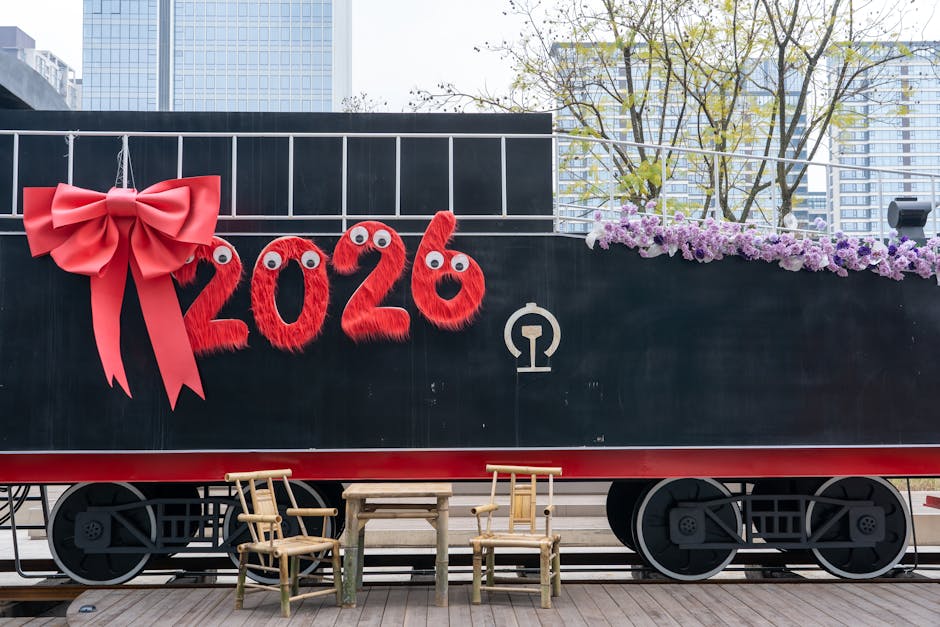
In 2026 and beyond, the democratization of art is no longer just an ideal—it is an ongoing reality shaped by technology, curation, and a collective desire for inclusivity. For smaller artists and photographers, this shift is opening doors that were once firmly closed, offering not just visibility, but a genuine chance to be seen, heard, and valued on a global stage.