



In an era where modern life is increasingly defined by routine, screens, and confined spaces, a growing number of urban explorers are turning to an unconventional form of movement: hiking across abandoned city ruins. From derelict factories and crumbling neighborhoods to post-industrial zones reclaimed by nature, these landscapes offer more than visual intrigue—they present a unique opportunity to improve physical fitness while expanding mental horizons. For those seeking inspiration and deeper insights into alternative lifestyles and movement-based exploration, platforms like https://letzrelay.com/ provide a valuable gateway into this evolving trend.
Urban ruin hiking sits at the intersection of fitness, curiosity, and storytelling. It challenges the body in unpredictable ways while offering a rare glimpse into the past lives of cities. Unlike traditional hiking trails, these environments are unstructured, often raw, and constantly changing. As a result, they demand both physical adaptability and heightened awareness, making each journey as mentally engaging as it is physically demanding.
The Physical Benefits of Navigating Urban Ruins
Hiking through city ruins is far from a leisurely stroll. The terrain is often uneven, with broken concrete, overgrown vegetation, collapsed structures, and unexpected obstacles. This variability forces the body to engage multiple muscle groups simultaneously, turning each step into a full-body workout.

One of the most immediate benefits is improved cardiovascular endurance. Moving through such environments requires constant adjustment—climbing over debris, navigating slopes, and maintaining balance on unstable surfaces. These actions elevate the heart rate and build stamina in ways that traditional gym workouts may not replicate.
Strength development is another key advantage. Urban ruin hiking naturally incorporates functional movements such as squatting, stepping, lifting, and stabilizing. The legs, core, and upper body all play active roles. For example, climbing through a partially collapsed building may require upper-body pulling strength, while maintaining balance on uneven ground activates deep core muscles.
Balance and coordination are also significantly enhanced. Unlike paved paths, ruin environments are unpredictable. Each step must be deliberate, forcing the brain and body to work together in real time. Over time, this improves proprioception—the body’s ability to sense its position in space—which is crucial for both athletic performance and injury prevention.
Additionally, this form of hiking can burn a substantial number of calories. Because of the constant variation in movement and terrain, the body expends more energy compared to walking on flat, predictable surfaces. This makes it an effective option for those looking to manage weight while engaging in an activity that feels less repetitive than conventional exercise routines.
Mental Expansion Through Exploration and Discovery
Beyond physical gains, hiking across urban ruins offers profound mental and emotional benefits. These spaces often carry a sense of mystery and history, inviting exploration and reflection. Walking through abandoned environments encourages a slower, more observant mindset—one that contrasts sharply with the fast-paced nature of modern urban life.
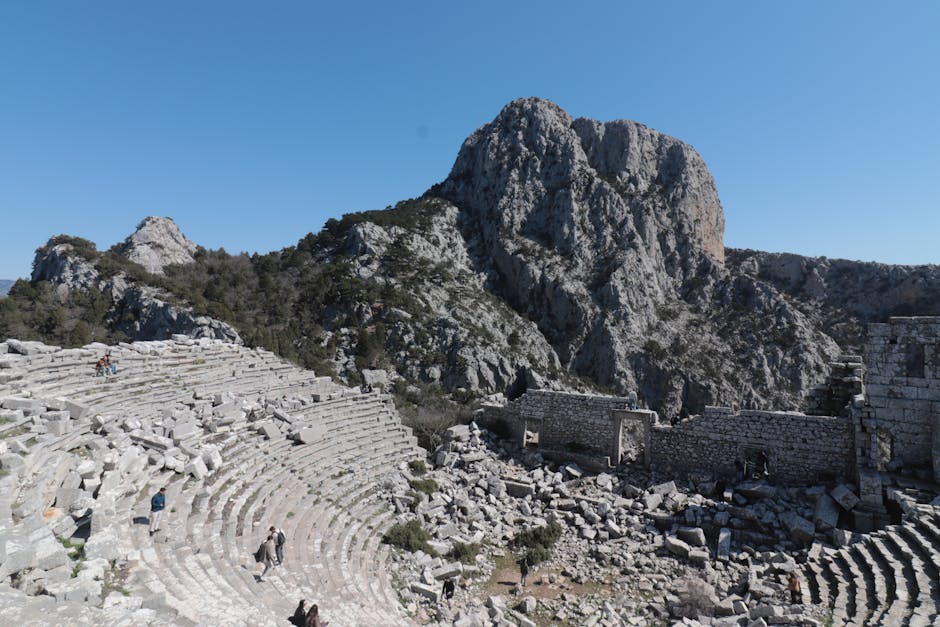
Curiosity becomes a driving force. Each structure, artifact, or pathway tells a story, prompting questions about what once existed and why it was left behind. This process of discovery stimulates cognitive engagement and fosters a deeper appreciation for history, architecture, and human development.
There is also a strong psychological component related to resilience and adaptability. Navigating unfamiliar and sometimes challenging environments builds confidence. Overcoming obstacles—both literal and figurative—reinforces a sense of capability and independence. For many, this translates into improved mental toughness that extends beyond the activity itself.
Urban ruin hiking can also serve as a form of mindfulness. The need to stay present and attentive reduces mental clutter. Every step requires focus, leaving little room for distractions or intrusive thoughts. This immersive experience can have a calming effect, similar to traditional forms of meditation, but with an added layer of physical engagement.
Furthermore, these environments often evoke a unique aesthetic appreciation. The contrast between decay and renewal—where nature reclaims man-made structures—can be both striking and thought-provoking. This visual experience can inspire creativity, making the activity particularly appealing to photographers, writers, and artists.
Safety, Ethics, and Responsible Urban Exploration
While the appeal of hiking through city ruins is undeniable, it also comes with important considerations related to safety and ethics. These environments can be unpredictable and, at times, hazardous. Proper preparation is essential to ensure that the experience remains both rewarding and secure.

Physical safety should be the first priority. Wearing appropriate gear, such as sturdy footwear, gloves, and protective clothing, can reduce the risk of injury. It is also advisable to carry basic supplies, including water, a first-aid kit, and a fully charged mobile device. Exploring with a companion rather than alone adds an additional layer of security.
Understanding the structural integrity of buildings is equally important. Not all ruins are safe to enter, and some may pose risks of collapse or exposure to hazardous materials. Exercising caution and avoiding unnecessary risks can prevent accidents.
Legal considerations should not be overlooked. Many abandoned sites are still privately owned or restricted. Respecting property boundaries and local regulations is crucial. Responsible explorers prioritize legality and avoid trespassing, ensuring that their activities do not lead to negative consequences for themselves or others.
Ethical exploration also involves preserving the integrity of these spaces. Removing artifacts, damaging structures, or leaving behind waste undermines the very essence of the experience. The principle of “leave no trace” is particularly relevant here, as it helps maintain these environments for future explorers and protects their historical value.
Community awareness is another important aspect. Sharing experiences through photography or writing can inspire others, but it should be done thoughtfully. Revealing sensitive locations without considering potential impacts can lead to overcrowding or vandalism. Balancing openness with responsibility helps sustain the culture of urban exploration.
Ultimately, hiking across city ruins is more than a physical activity—it is a multidimensional experience that blends fitness, history, and personal growth. It challenges conventional notions of both exercise and exploration, offering a pathway to improved health and expanded perspective.
As more individuals seek meaningful alternatives to traditional workouts and travel experiences, this form of exploration is likely to gain further traction. Its appeal lies not only in the physical benefits but also in the stories it uncovers and the mindset it cultivates.
By approaching urban ruin hiking with preparation, respect, and curiosity, participants can transform overlooked spaces into powerful arenas for self-improvement. In doing so, they not only strengthen their bodies but also deepen their understanding of the world around them—one step, one structure, and one story at a time.