


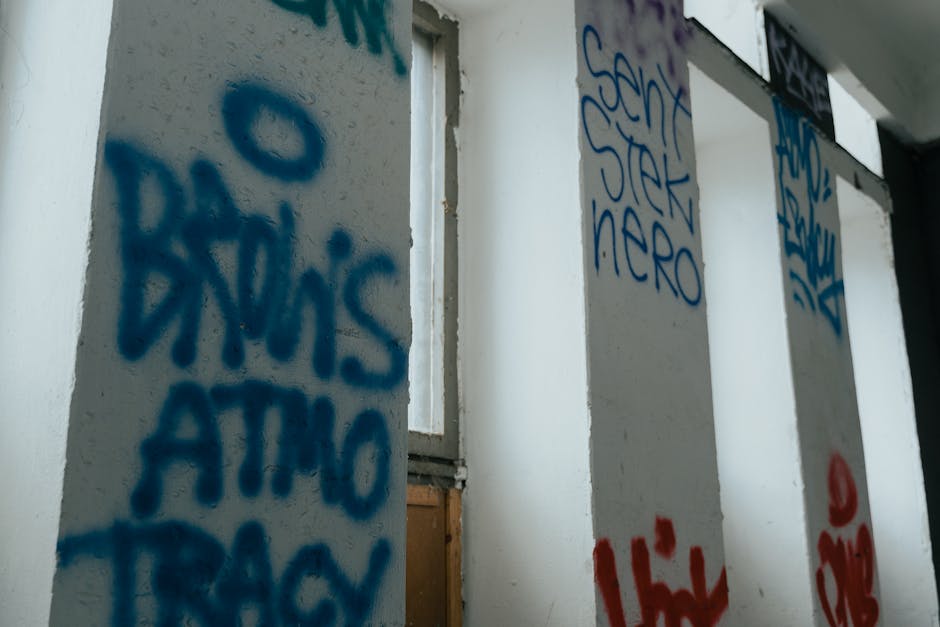
Graffiti art, once dismissed as mere vandalism, has grown into a powerful global form of expression that reflects social change, identity, and cultural evolution. From its humble beginnings on city walls to its current status in galleries and digital platforms, graffiti has undergone a transformation that mirrors broader shifts in society. For readers interested in exploring more perspectives on culture and modern creativity, https://letzrelay.com/ offers a range of insights into contemporary artistic movements and trends.
What makes graffiti particularly compelling is its dual identity. It exists both as an act of rebellion and as a recognized art form, often blurring the lines between legality and legitimacy. Over the past few decades, graffiti has evolved not only in style and technique but also in its meaning and place within global culture.
The Origins of Graffiti and Its Early Cultural Roots
Graffiti, in its most basic form, has existed for thousands of years. Ancient civilizations, including the Romans and Greeks, left inscriptions on walls as a way to communicate, commemorate events, or express opinions. However, modern graffiti as we understand it today began to take shape in the late 1960s and early 1970s, particularly in urban centers like New York City and Philadelphia.

In these early stages, graffiti was closely tied to youth culture and identity. Young people, often from marginalized communities, used tags—stylized signatures—to claim visibility in environments where they felt overlooked. Names like “TAKI 183” became iconic, representing not just individuals but an emerging subculture rooted in self-expression and territorial presence.
The subway system in New York City quickly became a moving canvas. Trains covered in vibrant lettering and bold designs carried graffiti across neighborhoods, turning local expressions into citywide phenomena. This mobility helped graffiti gain recognition and contributed to its rapid spread.
At the same time, graffiti was deeply intertwined with the rise of hip-hop culture. Alongside breakdancing, DJing, and MCing, graffiti became one of the foundational elements of this cultural movement. It was not merely decorative; it was a visual language that conveyed messages about identity, resistance, and belonging.
Authorities, however, viewed graffiti as a problem. Anti-graffiti campaigns intensified in the 1980s, leading to stricter enforcement and removal efforts. Yet, rather than disappearing, graffiti adapted. Artists became more innovative, developing new techniques and styles that pushed the boundaries of what could be achieved with spray paint and public space.
The Transformation of Graffiti into Recognized Art
By the late 20th century, graffiti began to gain attention beyond the streets. Galleries, collectors, and critics started to recognize its artistic value, leading to a shift in perception. Artists such as Jean-Michel Basquiat and Keith Haring emerged from graffiti backgrounds to achieve international acclaim, bridging the gap between street art and the formal art world.

This transition was not without controversy. Some purists argued that bringing graffiti into galleries stripped it of its authenticity, while others saw it as a natural evolution that allowed artists to reach wider audiences. Regardless of perspective, the movement into mainstream spaces marked a significant turning point.
Technological advancements also played a role in this transformation. The availability of new materials, improved spray paint technology, and digital tools expanded the possibilities for artists. Graffiti styles became more complex, incorporating intricate designs, 3D effects, and detailed imagery.
Globalization further accelerated the spread of graffiti culture. Cities around the world—from Berlin to São Paulo to Melbourne—developed their own graffiti scenes, each influenced by local culture and politics. This diversification enriched the movement, introducing new themes and techniques while maintaining a shared visual language.
Public perception continued to evolve. While graffiti still faced legal challenges, many cities began to embrace it as a form of urban art. Designated spaces for murals and street art festivals provided opportunities for artists to work legally, fostering collaboration and community engagement.
At the same time, the rise of street art as a broader category brought new attention to graffiti. Artists like Banksy blurred the lines between graffiti, political commentary, and conceptual art, using public spaces to challenge viewers and provoke thought. This expanded definition helped graffiti gain legitimacy while also raising questions about its boundaries.
Graffiti in the Modern Era: Identity, Technology, and Global Influence
Today, graffiti exists at the intersection of art, technology, and social commentary. It continues to serve as a platform for expression, addressing issues such as inequality, politics, and cultural identity. In many ways, it remains true to its roots, even as it adapts to new contexts.
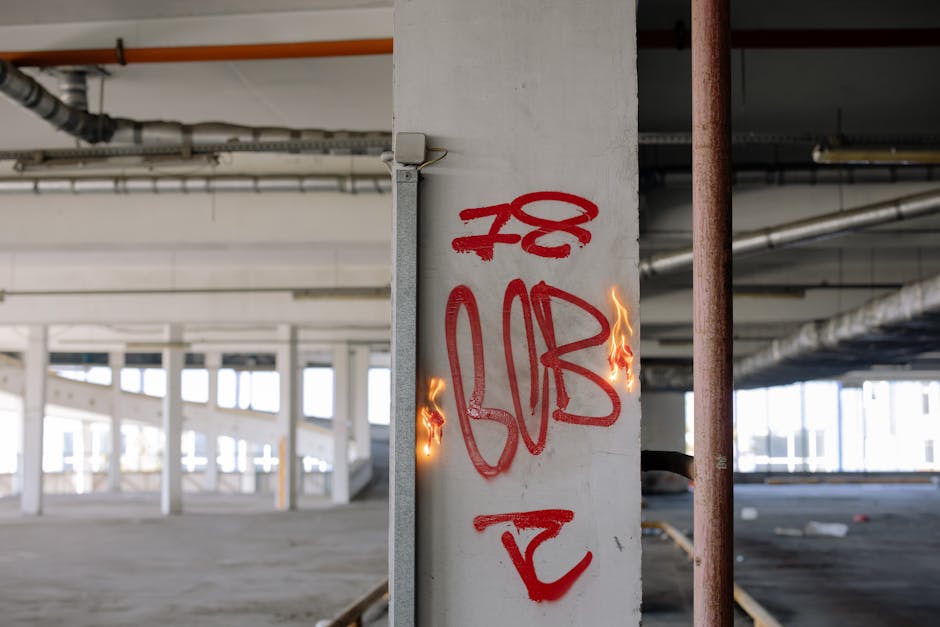
Digital media has significantly impacted how graffiti is created and consumed. Social platforms allow artists to share their work with global audiences instantly, transforming what was once a localized practice into an international conversation. This visibility has opened doors for collaboration and recognition, but it has also introduced new challenges related to originality and commercialization.
Graffiti has also influenced other creative industries. Elements of graffiti style can be seen in advertising, fashion, graphic design, and even architecture. This cross-pollination demonstrates the movement’s versatility and enduring relevance.
In urban environments, graffiti continues to shape the visual landscape. Large-scale murals have become a common feature in many cities, often commissioned to revitalize neighborhoods or convey cultural narratives. These works can transform public spaces, making art accessible to people who might not visit traditional galleries.
At the same time, the tension between legality and expression persists. Unauthorized graffiti remains controversial, raising questions about property rights, artistic freedom, and the role of public space. This ongoing debate is part of what keeps graffiti dynamic and relevant.
Looking ahead, the future of graffiti will likely be shaped by both technological innovation and cultural shifts. Augmented reality, digital projections, and new materials are already being explored by artists seeking to expand the boundaries of the medium. These developments suggest that graffiti will continue to evolve, reflecting the changing world around it.
Ultimately, graffiti art tells a story of resilience and transformation. What began as a form of underground expression has grown into a global phenomenon that challenges conventions and inspires creativity. Its journey from the margins to the mainstream underscores the power of art to adapt, endure, and redefine itself over time.