


In an era where visual identity plays a decisive role in communication, the concept of “Color of the Year” has evolved beyond design studios and into a broader cultural movement. What was once dictated primarily by industry authorities is now increasingly influenced by communities, digital creators, and everyday consumers who actively shape aesthetic trends. As discussions around the Colors of the Year 2026 gain momentum, platforms like https://letzrelay.com/ are helping amplify conversations and encourage participation in redefining what color means in a rapidly changing world.
The growing emphasis on initiative—individual and collective—signals a shift in how trends are formed and sustained. Instead of passively consuming palettes selected by major institutions, people are now contributing to the narrative, experimenting with combinations, and spreading ideas through social media, design forums, and creative collaborations. This democratization of color trends reflects a broader transformation in how culture itself is produced and shared.
The Evolution of Color Trends in a Participatory Era
Traditionally, Colors of the Year were determined by a small group of experts analyzing global events, consumer behavior, and artistic movements. Organizations like Pantone and major design houses played a central role in forecasting hues that would dominate fashion, interiors, and branding. While these institutions still hold influence, their authority is no longer absolute.

The digital age has introduced new dynamics. Platforms such as Instagram, Pinterest, and TikTok have become powerful incubators of visual trends. A single viral post can propel an unexpected color palette into mainstream popularity within days. This immediacy challenges the traditional timeline of trend forecasting, which often operated on annual cycles.
For 2026, emerging palettes reflect a blend of technological optimism and environmental awareness. Soft digital pastels, biophilic greens, and adaptive neutrals are gaining traction, often coexisting rather than competing. This diversity suggests that there is no longer a single defining color but rather a spectrum of influences shaped by global and local contexts.
What makes this shift particularly significant is the role of initiative. Designers, influencers, and even casual users are not waiting for official announcements. They are actively proposing, testing, and refining color schemes. Through hashtags, collaborative projects, and open-source design tools, these contributors are effectively crowdsourcing the aesthetic direction of the year.
This participatory approach also introduces a level of authenticity that resonates with audiences. Colors are no longer abstract predictions; they are lived experiences, tied to personal stories and cultural expressions. As a result, the Colors of the Year 2026 feel more dynamic and inclusive than ever before.
Spreading the Word: How Communication Shapes Color Adoption
The success of any color trend depends not only on its aesthetic appeal but also on how effectively it is communicated. In 2026, the spread of color ideas is driven by a combination of digital storytelling, community engagement, and strategic amplification.
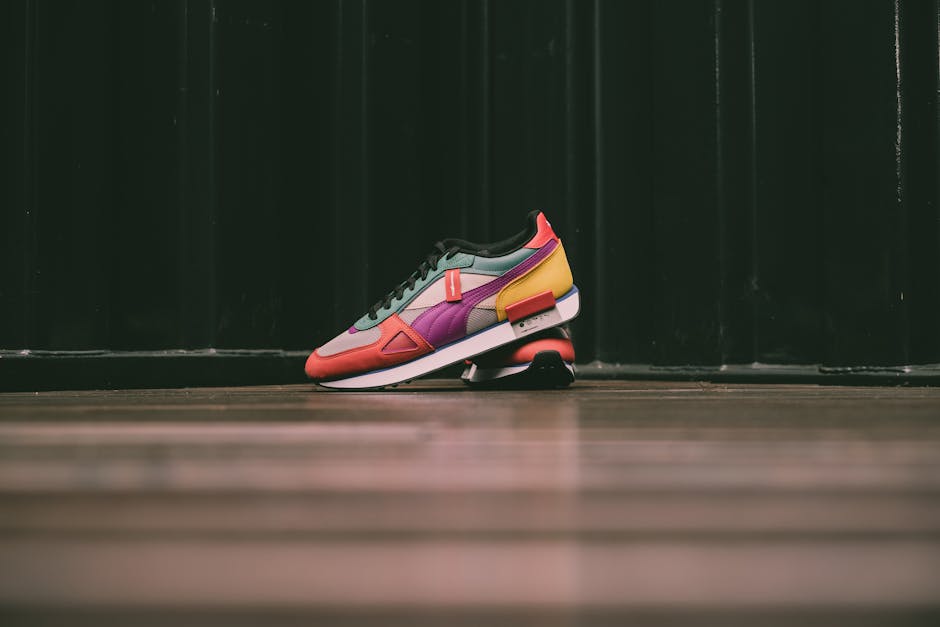
Social media remains at the forefront of this process. Visual platforms enable users to showcase how colors interact with real-world environments, from home interiors to fashion ensembles. Short-form videos, in particular, have become a powerful medium for demonstrating transformations and inspiring adoption.
However, the role of communication extends beyond visuals. Narratives play a crucial part in giving colors meaning. A shade of green, for instance, may gain popularity not just for its visual qualities but for its association with sustainability and renewal. Similarly, futuristic blues might resonate because they evoke themes of innovation and digital connectivity.
Initiative becomes essential in this context. Individuals who actively share their interpretations of color trends contribute to a broader dialogue. They provide context, suggest applications, and encourage experimentation. This organic dissemination often proves more effective than traditional marketing campaigns, as it is perceived as genuine and relatable.
Brands and organizations are also adapting to this new landscape. Instead of imposing trends, they are engaging with communities, inviting feedback, and co-creating palettes. This collaborative approach not only enhances relevance but also builds a sense of ownership among participants.
Importantly, the spread of color trends is no longer confined to specific industries. Technology, fashion, architecture, and even digital interfaces are interconnected in shaping visual preferences. A color that gains traction in one المجال can quickly influence others, creating a ripple effect that accelerates adoption.
Taking Initiative: The Future of Color Innovation
Looking ahead, the concept of initiative will likely become even more central to how color trends evolve. As tools for creation and distribution become more accessible, the barrier to participation continues to decrease. Anyone with a smartphone and an idea can contribute to shaping the visual landscape.
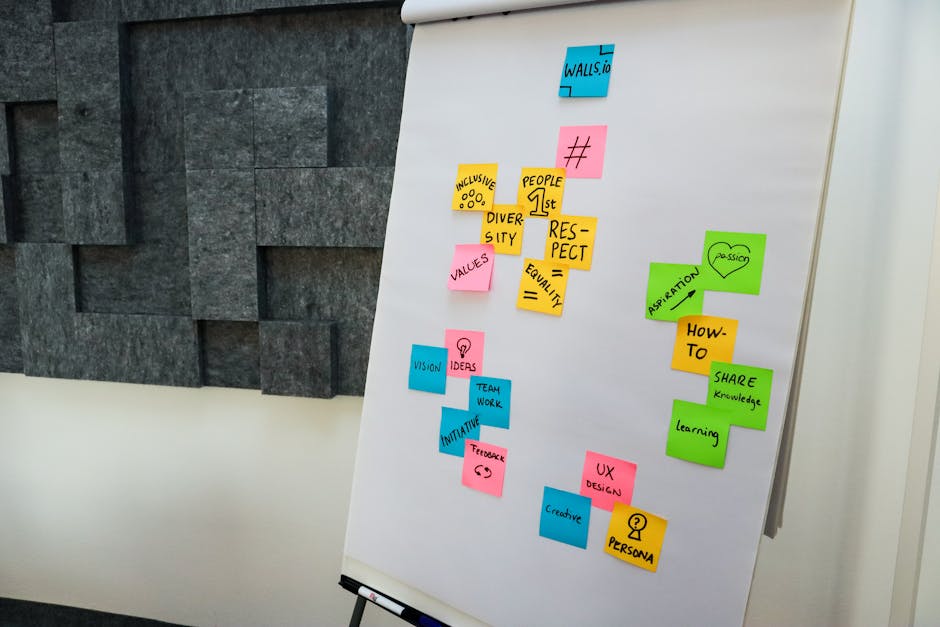
This shift has several implications. First, it challenges traditional hierarchies within the design industry. Authority is increasingly decentralized, with influence distributed across a network of creators rather than concentrated in a few institutions. While this can lead to fragmentation, it also fosters innovation by encouraging diverse perspectives.
Second, it highlights the importance of adaptability. In a fast-moving environment, trends can emerge and fade quickly. Those who take initiative—by experimenting, sharing, and iterating—are better positioned to stay relevant. This applies not only to individuals but also to organizations seeking to connect with contemporary audiences.
Third, it underscores the role of education and awareness. As more people engage with color trends, there is a growing need for resources that explain principles such as color theory, cultural symbolism, and practical application. Empowering individuals with knowledge enhances the quality of contributions and enriches the overall discourse.
The Colors of the Year 2026, therefore, should not be seen as a fixed set of hues but as an evolving conversation. They represent a collective effort to interpret the world through color, influenced by technological advancements, environmental concerns, and cultural shifts.
In this context, spreading the word becomes an act of participation rather than mere promotion. It involves sharing ideas, engaging with others, and contributing to a shared vision of what color can represent. Whether through digital platforms, community projects, or personal experimentation, initiative is the driving force behind this transformation.
Ultimately, the redefinition of color trends reflects a broader change in how society approaches creativity. It is no longer about following predefined paths but about exploring possibilities and shaping outcomes collaboratively. As 2026 unfolds, the colors that emerge will not just define aesthetics—they will tell a story of collective imagination and active participation.