



New Delhi, India’s capital, is a city where history, spirituality, and modern life coexist in a complex yet fascinating rhythm. For first-time visitors, the experience can feel overwhelming—crowded streets, vibrant colors, unfamiliar languages, and deeply rooted traditions all converge at once. Yet, for those willing to understand its cultural fabric, New Delhi offers a rewarding and enriching journey. Travelers seeking deeper insights and curated travel perspectives often turn to platforms like https://letzrelay.com/, where global experiences are explored with nuance and context.
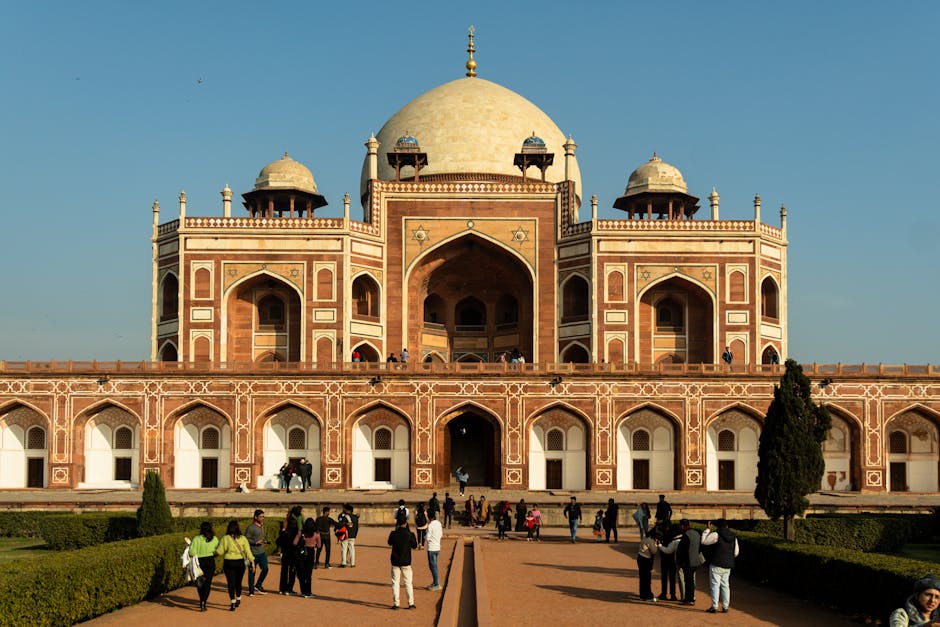
Understanding New Delhi is not just about visiting landmarks such as India Gate or Humayun’s Tomb. It is about decoding the everyday interactions, respecting cultural norms, and appreciating the diversity that defines India’s capital. Language, religion, and social customs are not peripheral details—they are central to how the city functions and how visitors are perceived. For tourists in 2026, cultural awareness is no longer optional; it is an essential part of responsible and meaningful travel.
Language in New Delhi: A Multilingual Reality Shaped by History
One of the first things travelers notice upon arriving in New Delhi is the linguistic diversity. Hindi is the most widely spoken language in the city and serves as a common means of communication among locals. However, English is also extensively used, especially in business, tourism, and education. This bilingual environment makes navigation relatively accessible for international visitors, but it also reflects India’s colonial history and its evolution into a globalized society.

Street signs, menus, and official documents are often presented in both Hindi and English. In upscale areas, hotels, and shopping districts, English is typically sufficient for communication. However, in local markets or residential neighborhoods, Hindi becomes more prominent. Learning a few basic phrases—such as greetings or polite expressions—can significantly enhance interactions and demonstrate respect for local culture.
Beyond Hindi and English, New Delhi is home to speakers of numerous regional languages, including Punjabi, Urdu, and Bengali. This linguistic mosaic is the result of migration patterns and India’s vast cultural diversity. For travelers, it means that language is not a barrier but rather a gateway to understanding the city’s layered identity.
Tone and body language also play an important role in communication. Indians often use indirect expressions and polite phrasing, especially in formal or unfamiliar settings. Raising one’s voice or displaying impatience may be perceived negatively. Instead, calm and respectful communication is valued and often leads to more positive interactions.
Technology has further bridged language gaps. Translation apps, ride-hailing services, and digital payment systems have made it easier for tourists to navigate the city without fluency in local languages. However, relying solely on technology can limit authentic experiences. Engaging directly with locals, even in simple terms, often leads to more meaningful connections and memorable moments.
Religion and Spiritual Life: Understanding the Sacred Landscape
Religion is deeply embedded in daily life in New Delhi. India is home to multiple faiths, and the capital reflects this diversity through its temples, mosques, churches, and gurudwaras (Sikh places of worship). Hinduism is the dominant religion, but Islam, Sikhism, Christianity, and other faiths are also widely practiced.

For tourists, religious sites are among the most captivating attractions. The Lotus Temple, known for its striking architecture, welcomes visitors of all faiths and promotes unity and meditation. Jama Masjid, one of the largest mosques in India, offers insight into Islamic traditions and Mughal history. Gurudwara Bangla Sahib provides a unique experience where visitors can observe Sikh practices and even participate in community meals known as “langar.”
Respecting religious customs is essential when visiting these sites. Modest dress is expected, with shoulders and knees typically covered. Shoes must be removed before entering temples and mosques, and head coverings may be required in certain places, especially in Sikh gurudwaras. Photography may be restricted in some areas, so it is important to observe signs and ask for permission when unsure.
Religious practices also influence daily routines. Festivals such as Diwali, Eid, and Holi are celebrated with great enthusiasm and can significantly affect travel plans. Streets may be crowded, businesses may close, and public transport may operate differently during these times. However, these festivals also offer a unique opportunity for tourists to witness the cultural richness of India.
It is important to approach religious experiences with sensitivity and curiosity rather than as mere spectacles. Observing rituals, listening to local explanations, and participating respectfully can deepen one’s understanding of India’s spiritual heritage. At the same time, avoiding intrusive behavior—such as taking photos without consent or interrupting prayers—is crucial.
Religion in New Delhi is not confined to places of worship; it is visible in everyday life. Small shrines can be found on street corners, and religious symbols are often displayed in homes, shops, and vehicles. This constant presence reflects a worldview where spirituality and daily activities are interconnected.
Cultural Customs and Social Etiquette: Navigating Daily Interactions
Understanding cultural customs is key to navigating New Delhi with confidence and respect. Social etiquette in India is shaped by tradition, family values, and a strong sense of community. For tourists, adapting to these norms can enhance the overall travel experience and prevent misunderstandings.
One of the most noticeable aspects of Indian culture is the importance of greetings. A simple “Namaste,” accompanied by a slight bow and hands pressed together, is a traditional and respectful way to greet someone. While handshakes are common in professional settings, physical contact between strangers, especially of the opposite gender, may be less common in traditional contexts.
Dress code is another important consideration. While New Delhi is a modern city, conservative clothing is generally recommended, particularly in religious or rural areas. Lightweight, modest attire not only shows respect for local customs but also helps visitors stay comfortable in the city’s often warm climate.
Dining etiquette also reflects cultural values. In many traditional settings, meals are eaten with the right hand, as the left hand is considered unclean in certain contexts. Even in restaurants where cutlery is provided, observing how locals eat can offer useful guidance. Sharing food is common, and hospitality is highly valued. Refusing food or drink may be seen as impolite, so it is often best to accept at least a small portion.
Bargaining is a common practice in local markets. Unlike fixed-price stores, street vendors often expect negotiation. This is not considered rude but rather part of the shopping experience. However, bargaining should be done respectfully and with a sense of fairness.
Time perception in India can differ from Western expectations. While punctuality is important in formal settings, social events may be more flexible. Understanding this cultural nuance can help travelers manage expectations and avoid frustration.
Public behavior also carries certain expectations. Displays of affection in public are generally discouraged, and maintaining a respectful demeanor is important. Additionally, pointing with fingers or touching someone’s head may be considered inappropriate in some contexts.
Transportation and urban dynamics in New Delhi require adaptability. Traffic can be intense, and crossing streets may seem chaotic to newcomers. Observing local patterns and staying alert are essential for safety. Using reputable transportation services can also enhance convenience and security.
Ultimately, cultural awareness in New Delhi is about more than following rules—it is about developing a mindset of respect, curiosity, and openness. By taking the time to understand language, religion, and social customs, travelers can move beyond surface-level tourism and engage more deeply with the city.
New Delhi is not a destination that reveals itself instantly. It requires patience, observation, and a willingness to adapt. But for those who embrace its complexity, the rewards are profound. From meaningful conversations with locals to unforgettable cultural experiences, the city offers insights that extend far beyond the typical travel itinerary.
In 2026, as global travel becomes more interconnected, the importance of cultural literacy continues to grow. New Delhi stands as a powerful reminder that travel is not just about seeing new places—it is about understanding new ways of life.