


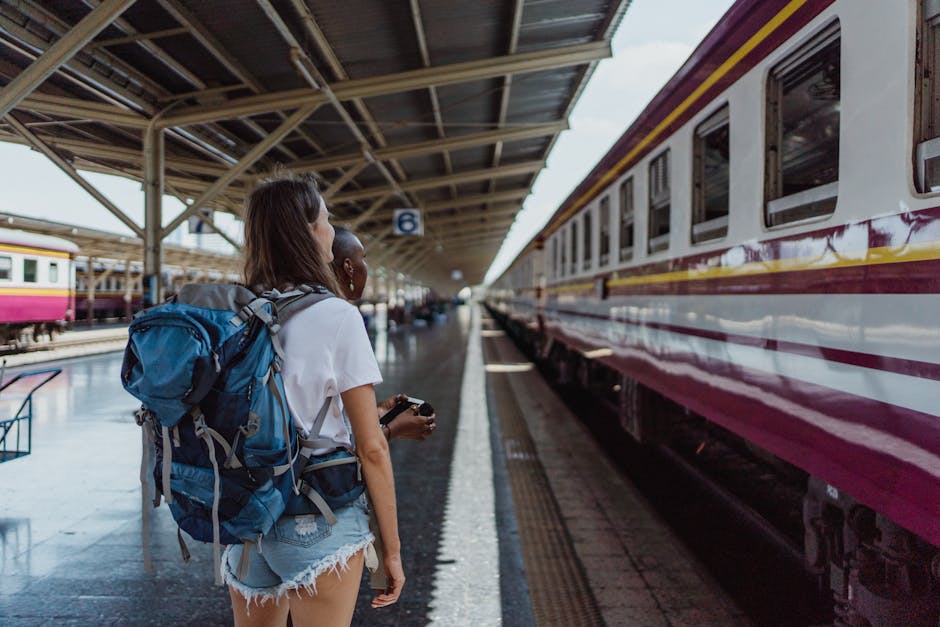
Backpacking across Europe in 20 days has long been considered a rite of passage for travelers seeking culture, history, and diversity in one unforgettable journey. In 2026, this classic adventure has evolved into a more efficient, experience-driven itinerary, blending iconic destinations with smarter travel planning. With platforms like https://letzrelay.com/ helping travelers stay connected and organized on the road, exploring Europe has never been more accessible or streamlined.
Unlike traditional vacations, backpacking demands flexibility, strategic planning, and a willingness to embrace unpredictability. Yet, with the right route and preparation, 20 days is enough to experience multiple countries, immerse in local cultures, and create a balanced mix of sightseeing and spontaneous exploration. The key lies in choosing cities that are well-connected, culturally rich, and diverse enough to offer unique experiences without exhausting the traveler.
Designing the Ideal 20-Day Europe Backpacking Route
Planning a 20-day itinerary across Europe requires careful consideration of geography, transportation, and travel pace. Rather than attempting to visit too many destinations, experienced backpackers now focus on regional clusters that reduce transit time and maximize exploration.
A common and efficient route begins in Western Europe, often starting in Paris. As one of the continent’s most accessible cities, Paris offers a strong introduction to European culture, from its architectural landmarks to its culinary traditions. Spending two to three days here allows travelers to adjust to the rhythm of European travel while exploring iconic sites such as the Eiffel Tower, Louvre Museum, and Montmartre district.
From Paris, many travelers head to Amsterdam, a city known for its canals, cycling culture, and progressive atmosphere. The train journey is relatively short, making it an ideal second stop. Amsterdam’s compact layout allows visitors to experience its highlights within two days, including museums, local markets, and historic neighborhoods.
Continuing east, Berlin provides a contrast with its modern history and vibrant creative scene. Known for its historical landmarks and dynamic nightlife, Berlin offers a deeper perspective on Europe’s past and present. Travelers often spend two to three days here, exploring sites such as the Berlin Wall, Brandenburg Gate, and Museum Island.
From Germany, moving south toward Prague introduces a more traditional European aesthetic. The city’s preserved medieval architecture and cultural charm make it a favorite among backpackers. Prague’s affordability compared to Western Europe also allows travelers to extend their stay without significantly increasing their budget.
Vienna and Budapest are often paired together due to their proximity and complementary experiences. Vienna offers elegance, classical music heritage, and imperial history, while Budapest provides a more relaxed atmosphere with thermal baths and scenic river views. Spending two days in each city creates a balanced cultural experience.
The route then typically shifts toward Southern Europe. Cities like Venice, Florence, and Rome offer a deep dive into art, history, and cuisine. Italy’s efficient train system makes it easy to move between these destinations. While Venice captivates with its canals, Florence stands out for Renaissance art, and Rome delivers a dense concentration of historical landmarks.
Finally, travelers often conclude their journey in Barcelona, a city that combines architecture, beaches, and vibrant street life. Ending in Spain provides a more relaxed atmosphere after weeks of intensive travel, allowing time to unwind while still enjoying cultural richness.
Cities Worth Exploring for Culture, History, and Experience
Each city on a 20-day Europe backpacking itinerary offers distinct characteristics that contribute to a well-rounded journey. Understanding what makes each destination unique helps travelers prioritize experiences and manage expectations.
Paris remains one of the most visited cities in the world for a reason. Beyond its famous landmarks, the city offers a lifestyle experience shaped by cafés, art, and daily rituals. Walking through its neighborhoods reveals a blend of history and modern life that defines European urban culture.
Amsterdam, by contrast, offers a more laid-back and alternative atmosphere. Its canal system, bicycle-friendly streets, and open-minded culture create a unique environment that differs significantly from other European capitals. The city’s museums, including the Anne Frank House and Van Gogh Museum, provide meaningful cultural insights.
Berlin stands out as a city shaped by transformation. Its history is visible in its architecture and public spaces, while its creative industries continue to redefine its identity. Travelers often find Berlin to be less traditional but more dynamic compared to other European cities.
Prague’s appeal lies in its visual beauty and historical continuity. The city’s Old Town Square, Charles Bridge, and Prague Castle create a setting that feels almost cinematic. Despite its popularity, Prague retains a sense of authenticity that resonates with travelers.
Vienna offers a refined cultural experience, characterized by classical music, grand architecture, and a strong sense of tradition. The city’s museums and concert halls provide insight into Europe’s artistic heritage, making it a key stop for culturally inclined travelers.
Budapest, often described as one of Europe’s most underrated capitals, combines affordability with unique attractions. Its thermal baths, ruin bars, and scenic Danube River views create a diverse set of experiences that appeal to a wide range of travelers.
Italy’s cities—Venice, Florence, and Rome—represent different aspects of the country’s identity. Venice is visually unique but often crowded, Florence offers artistic depth, and Rome presents a historical narrative that spans thousands of years. Together, they form a comprehensive introduction to Italian culture.
Barcelona adds a Mediterranean dimension to the journey. Its architecture, particularly the works of Antoni Gaudí, creates a distinctive visual identity. Combined with beaches, nightlife, and cuisine, Barcelona serves as both a cultural and recreational destination.
Practical Tips for Backpacking Europe Efficiently in 2026
While the itinerary itself is important, successful backpacking also depends on practical considerations. In 2026, travelers benefit from technological advancements that simplify logistics and enhance safety.

Transportation remains one of the most critical aspects of planning. Europe’s extensive rail network continues to be the preferred mode of travel for backpackers. Rail passes and high-speed trains allow for efficient movement between cities, reducing travel time and increasing flexibility.
Budget management is another key factor. While Western Europe tends to be more expensive, Central and Eastern Europe offer more affordable options. Balancing destinations helps travelers maintain a reasonable budget without compromising on experience.
Accommodation has also evolved. Hostels remain popular, but many now offer private rooms and enhanced amenities, catering to a wider range of travelers. Short-term rentals and budget hotels provide additional options, depending on personal preferences and travel style.
Packing strategically is essential for a 20-day journey. Lightweight luggage, versatile clothing, and essential travel accessories can significantly improve mobility and comfort. Experienced backpackers emphasize the importance of packing only what is necessary to avoid unnecessary strain.
Connectivity is increasingly important for modern travelers. Reliable internet access enables navigation, communication, and access to travel resources. Digital tools and platforms help travelers manage bookings, track itineraries, and stay informed about local conditions.
Health and safety considerations have also gained prominence. Travel insurance, awareness of local regulations, and basic safety precautions contribute to a smoother experience. Additionally, maintaining a balanced schedule that includes rest days helps prevent burnout during long trips.
Cultural awareness enhances the overall experience. Understanding local customs, basic phrases, and social norms allows travelers to engage more meaningfully with each destination. Respect for local cultures not only enriches the journey but also fosters positive interactions.
Ultimately, backpacking Europe in 20 days is about more than visiting multiple cities—it is about experiencing the diversity of a continent within a limited timeframe. With thoughtful planning, realistic expectations, and a willingness to adapt, travelers can create a journey that is both efficient and deeply rewarding.
As travel continues to evolve, the essence of backpacking remains unchanged: curiosity, exploration, and the pursuit of meaningful experiences. Europe, with its rich history and cultural variety, continues to offer one of the most compelling settings for this timeless adventure.