


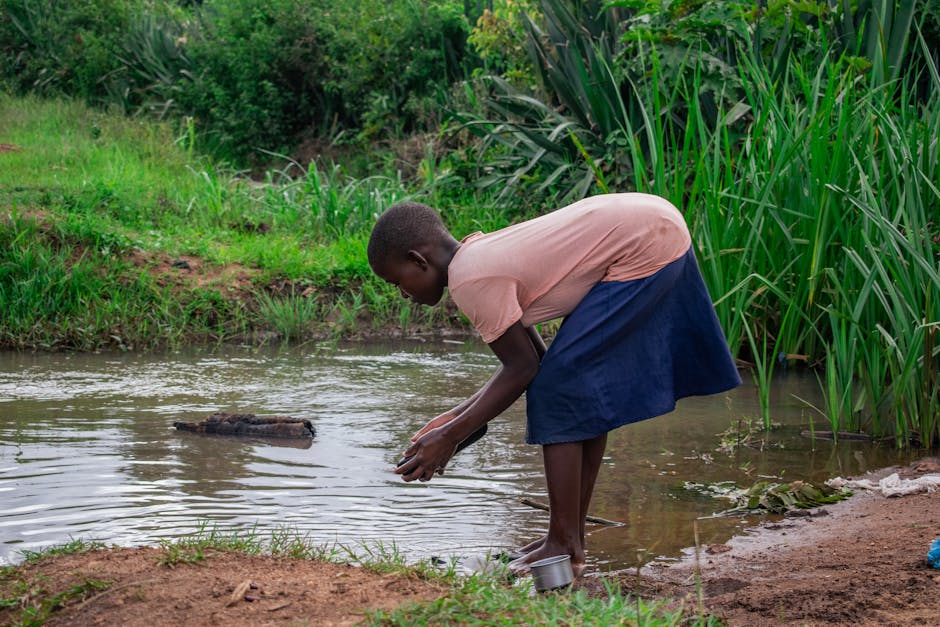
Northern Africa is often imagined as a vast expanse of desert, dominated by the Sahara’s sweeping الرمال and scorching heat. Yet beyond this familiar image lies a lesser-known landscape—wetlands and swamps that support unique ecosystems, ancient cultures, and increasingly, eco-tourism opportunities. For readers interested in uncovering lesser-explored destinations and in-depth travel insights, https://letzrelay.com/ offers a range of perspectives that help contextualize journeys into regions like these.
While not as extensive as tropical marshes found elsewhere in the world, the swamps of Northern Africa—particularly in countries like Egypt, Tunisia, Algeria, and parts of Morocco—hold ecological and cultural significance that is often overlooked. From the Nile Delta’s sprawling wetlands to seasonal marshes formed by shifting rainfall patterns, these environments present both opportunities and challenges for travelers.
Understanding Northern Africa’s Wetland Geography
The wetlands of Northern Africa are shaped by a combination of river systems, coastal influences, and seasonal climate patterns. Unlike permanent swamps in equatorial regions, many of these ecosystems are dynamic, expanding and contracting based on rainfall, river flow, and human intervention.
One of the most prominent wetland systems in the region is the Nile Delta in Egypt. This area, where the Nile River fans out before reaching the Mediterranean Sea, supports a dense network of marshes, lagoons, and reed beds. These wetlands are not only vital for agriculture but also serve as critical habitats for migratory birds traveling between Europe and Africa.
Further west, Tunisia’s Ichkeul Lake and its surrounding marshlands represent another key wetland ecosystem. Recognized as a UNESCO World Heritage Site, Ichkeul is one of the last remaining large freshwater lakes in North Africa. It plays an essential role in supporting biodiversity, particularly during the winter months when thousands of birds flock to the area.
Algeria and Morocco also feature smaller wetland zones, often located near coastal plains or river basins. These areas may not always appear as traditional swamps but can include salt marshes, seasonal floodplains, and estuarine environments. Despite their smaller scale, they are ecologically significant and increasingly recognized for their conservation value.
However, these wetlands face mounting pressures. Climate change, water diversion for agriculture, and urban expansion have all contributed to shrinking wetland areas. As a result, travelers venturing into these regions are not only witnessing natural beauty but also ecosystems under stress.
Environmental Challenges and Travel Considerations
Traveling through swampy or wetland areas in Northern Africa requires careful planning and awareness of environmental conditions. Unlike more established tourist destinations, these regions often lack infrastructure, making preparation essential.

One of the primary challenges is accessibility. Many wetlands are located in remote or semi-remote areas, where roads may be limited or poorly maintained. Seasonal flooding can further complicate travel, rendering certain routes impassable. Travelers are advised to consult local guides or authorities before planning excursions, especially during rainy seasons.
Health and safety are also important considerations. Wetland environments can harbor insects, including mosquitoes that may carry diseases. While the risk levels vary by location, taking preventive measures—such as using insect repellent, wearing protective clothing, and ensuring vaccinations are up to date—is strongly recommended.
Additionally, the terrain itself can pose risks. Soft, waterlogged ground may be difficult to navigate, particularly for those unfamiliar with such environments. Proper footwear and equipment are essential, as is an understanding of local conditions.
Environmental sensitivity is another critical factor. Many of Northern Africa’s wetlands are protected areas, home to fragile ecosystems that can be easily disrupted. Travelers should adhere to guidelines set by conservation authorities, avoiding actions that could harm wildlife or vegetation.
Water availability and quality also require attention. In some regions, clean drinking water may not be readily accessible, and travelers should plan accordingly by carrying sufficient supplies or purification systems.
Despite these challenges, responsible travel can offer rewarding experiences. Guided tours, particularly those led by local experts, provide valuable insights into the ecological and cultural significance of these wetlands while ensuring safety and sustainability.
Cultural Significance and Responsible Exploration

Beyond their ecological importance, the wetlands of Northern Africa are deeply intertwined with local cultures and livelihoods. Communities living near these areas have long depended on them for fishing, agriculture, and traditional practices that reflect a close relationship with the environment.

In the Nile Delta, for example, wetlands have supported human settlement for thousands of years. The fertile الأراضي and abundant water resources have made the region one of the most productive agricultural zones in the world. Traditional fishing methods and reed-based crafts continue to be practiced, offering a glimpse into ways of life that have endured through centuries.
Similarly, in Tunisia and parts of Algeria, wetland areas serve as seasonal hubs for both wildlife and human activity. Local communities often engage in bird watching, fishing, and small-scale farming, balancing economic needs with environmental preservation.
For travelers, engaging with these communities can be one of the most enriching aspects of an excursion. However, it also requires a commitment to responsible tourism. Respecting local customs, supporting community-based initiatives, and minimizing environmental impact are all essential practices.
Eco-tourism initiatives are gradually gaining traction in the region. These programs aim to promote sustainable travel while providing economic benefits to local populations. By choosing such options, travelers can contribute to conservation efforts and help ensure that these unique ecosystems are preserved for future generations.
It is also important to recognize the broader context in which these wetlands exist. As climate change continues to alter rainfall patterns and water availability, the future of Northern Africa’s swamps remains uncertain. Increased awareness and responsible engagement by both travelers and policymakers will be key to protecting these environments.
Ultimately, exploring the swamps of Northern Africa offers a perspective that goes beyond conventional travel narratives. It reveals a landscape of contrasts—where water meets desert, where ancient traditions coexist with modern challenges, and where fragile ecosystems demand careful stewardship.
For those willing to venture off the beaten path, these wetlands provide an opportunity to experience a side of North Africa that is rarely seen but deeply significant. With proper preparation, respect for local environments, and an understanding of the complexities involved, such journeys can be both enlightening and impactful.