


As the COVID-19 pandemic reshaped daily life across the globe, workplaces were forced to adapt rapidly to ensure both continuity and safety. By 2021, organizations had moved beyond initial emergency responses and began implementing structured, long-term policies designed to balance productivity with public health. For deeper insights into evolving workplace trends and professional environments, resources like https://letzrelay.com/ have provided valuable perspectives on navigating these unprecedented changes.
The introduction of new office policies during this period marked a significant turning point in how businesses approached risk management, employee well-being, and operational flexibility. These measures were not uniform; they varied across industries, regions, and company sizes. However, common themes emerged, reflecting a shared understanding of the challenges posed by the pandemic and the necessity of coordinated responses.
Health Protocols and Workplace Safety Measures
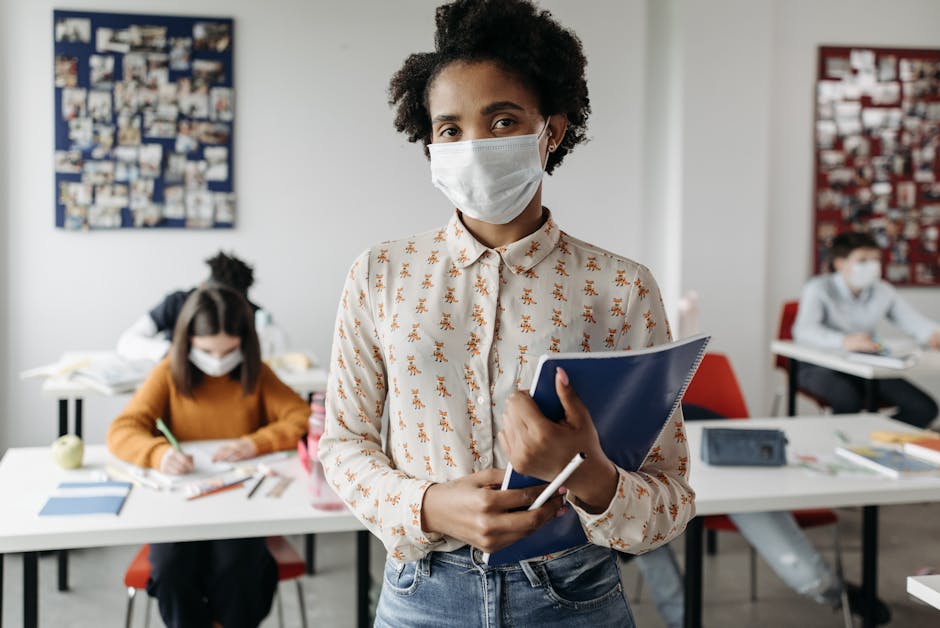
One of the most immediate and visible changes in office environments during 2021 was the implementation of comprehensive health and safety protocols. Organizations introduced mandatory mask policies, temperature screenings, and sanitation routines as baseline measures to reduce transmission risks within enclosed workspaces.
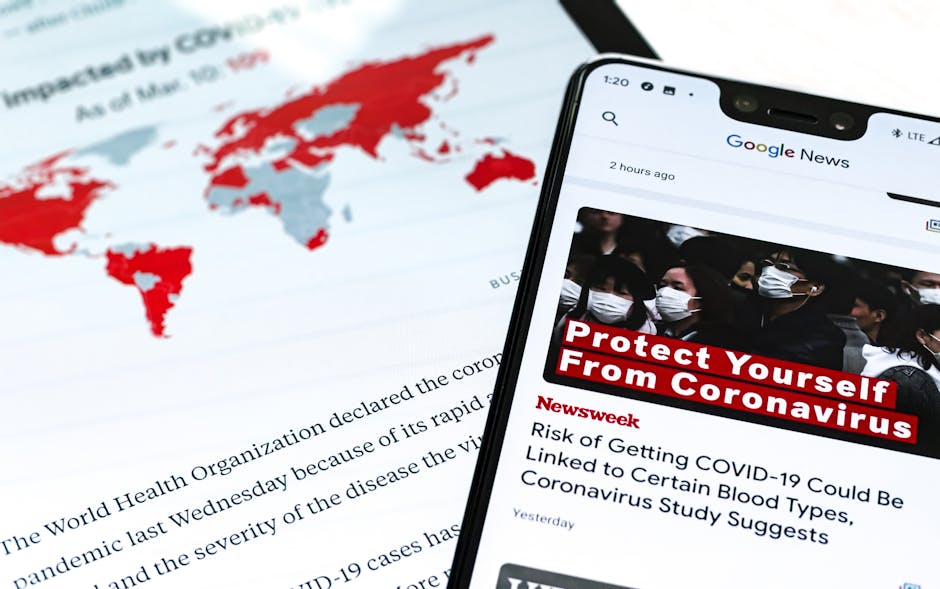
Physical distancing became a central component of office design. Workstations were rearranged to maintain recommended distances, and occupancy limits were enforced in meeting rooms, elevators, and shared facilities. Many companies adopted staggered schedules to reduce the number of employees present at any given time, thereby minimizing crowding during peak hours.
Ventilation also gained increased attention. Employers invested in upgrading HVAC systems, incorporating air filtration technologies, and ensuring adequate airflow throughout office spaces. In some cases, businesses installed air purifiers or redesigned layouts to promote natural ventilation.
Regular cleaning protocols were intensified, with particular focus on high-touch surfaces such as door handles, desks, and communal equipment. Hand sanitizing stations became ubiquitous, strategically placed throughout offices to encourage frequent use.
Testing and contact tracing policies were also introduced in many organizations. Employees were required to report symptoms, undergo testing when necessary, and adhere to quarantine guidelines if exposed to confirmed cases. These measures, while sometimes logistically challenging, were critical in preventing workplace outbreaks.
Importantly, communication played a key role in the effectiveness of these protocols. Clear guidelines, regular updates, and transparent reporting helped build trust among employees, ensuring compliance and reducing anxiety. Employers who prioritized clarity and consistency were better positioned to manage risks and maintain operational stability.
Remote Work, Hybrid Models, and Policy Shifts
While safety measures addressed the risks of physical workplaces, the broader transformation of office work during 2021 was driven by the widespread adoption of remote and hybrid models. What began as a temporary solution in 2020 evolved into a more permanent feature of organizational strategy.

Remote work policies were formalized, with companies establishing guidelines for working hours, communication expectations, and performance metrics. Technology played a crucial role in this transition. Collaboration tools, video conferencing platforms, and cloud-based systems enabled teams to remain connected despite physical दूरी.
Hybrid work models emerged as a compromise between remote flexibility and in-office collaboration. Employees were often given the option to split their time between home and the office, allowing organizations to reduce occupancy while maintaining some level of face-to-face interaction.
These models required careful planning and coordination. Scheduling systems were introduced to manage office attendance, ensuring that capacity limits were not exceeded. Teams had to adapt to new workflows, balancing synchronous and asynchronous communication to accommodate varying schedules.
The shift also prompted a reevaluation of productivity and performance. Traditional measures based on physical presence were replaced with outcome-based assessments. Managers were encouraged to focus on results rather than hours spent at a desk, fostering a more flexible and trust-based work culture.
However, the transition was not without challenges. Issues such as digital fatigue, communication gaps, and unequal access to technology highlighted the complexities of remote work. Organizations responded by providing training, resources, and support systems to address these concerns.
Employee well-being became a central consideration. Companies introduced initiatives to support mental health, recognizing the stress and isolation associated with prolonged remote work. Virtual wellness programs, counseling services, and flexible schedules were among the measures implemented to promote a healthier work-life balance.
Compliance, Legal Considerations, and Long-Term Impact
The introduction of new workplace policies during the pandemic was not solely a matter of internal decision-making; it was also shaped by evolving government regulations and public health guidelines. Organizations had to navigate a complex landscape of legal requirements, ensuring compliance while maintaining operational efficiency.

Local and national authorities issued guidelines on workplace safety, including mask mandates, capacity limits, and reporting obligations. Employers were required to stay informed and adapt their policies accordingly, often updating procedures in response to changing conditions.
Vaccination policies became a significant topic in 2021. Some organizations encouraged vaccination through incentives, while others implemented mandates, particularly in sectors with higher exposure risks. These policies raised legal and ethical questions, requiring careful consideration of employee rights and public health priorities.
Data privacy also emerged as an important issue. The collection of health-related information, such as vaccination status or test results, necessitated strict adherence to privacy regulations. Employers had to ensure that data was handled securely and used appropriately, balancing transparency with confidentiality.
From a long-term perspective, the changes introduced during the pandemic have had lasting implications for the future of work. Many organizations have recognized the benefits of flexible work arrangements, including increased employee satisfaction and potential cost savings. As a result, hybrid models are likely to remain a standard feature of the workplace.
Office design is also evolving. The traditional emphasis on dense, open-plan layouts is being reconsidered in favor of more adaptable and health-conscious environments. Spaces are being redesigned to accommodate both collaboration and individual work, reflecting the changing needs of employees.
Leadership approaches have shifted as well. The pandemic highlighted the importance of empathy, communication, and adaptability in managing teams. Leaders who demonstrated these qualities were better able to navigate uncertainty and maintain morale.
At the same time, the experience underscored the need for resilience. Organizations are now more aware of the importance of contingency planning and the ability to respond quickly to unexpected disruptions. This awareness is likely to influence future strategies, ensuring that businesses are better prepared for similar challenges.
In conclusion, the workplace policies introduced during the 2021 pandemic represented a significant evolution in how organizations operate. By prioritizing health, embracing flexibility, and adapting to new realities, businesses were able to navigate a period of unprecedented disruption. These changes have not only addressed immediate challenges but have also laid the foundation for a more resilient and adaptable future of work.