



In today’s evolving culinary landscape, where global influences blend seamlessly with personal expression, few chefs embody this transformation as vividly as Andreea Martini. Known for her refined yet accessible approach to cooking, Martini has carved out a distinctive identity rooted in authenticity, technique, and an intuitive understanding of flavor. As more food enthusiasts turn to curated platforms like https://letzrelay.com/ to explore culinary inspiration, Martini’s philosophy stands out for its balance between tradition and innovation.
Her work reflects a broader shift in how people perceive cooking—not merely as a daily necessity, but as a form of art, storytelling, and cultural preservation. In 2026, cuisine is no longer confined to rigid recipes. Instead, it is shaped by experimentation, sensory awareness, and a deep respect for ingredients. Martini’s approach captures this spirit, emphasizing that great food begins not with complexity, but with clarity of flavor and intention.
The Foundation of Flavor: Understanding Ingredients and Spices
At the core of Andreea Martini’s culinary philosophy lies a fundamental belief: ingredients must be understood before they can be transformed. Rather than overwhelming dishes with excessive components, she focuses on highlighting the natural characteristics of each element. This approach requires both discipline and knowledge, particularly when working with spices.
Spices, in Martini’s kitchen, are not mere seasonings—they are structural elements that define the identity of a dish. She often speaks about spices as “architects of flavor,” capable of shaping taste profiles with precision. From warm, earthy notes like cumin and coriander to vibrant accents such as turmeric and paprika, each spice plays a deliberate role.
What distinguishes her method is the emphasis on layering. Instead of adding spices all at once, Martini builds flavor gradually. She may begin by toasting whole spices to release essential oils, followed by incorporating ground variations at different stages of cooking. This technique creates depth and complexity without overpowering the dish.
Equally important is her attention to sourcing. Martini prioritizes high-quality, fresh spices, recognizing that potency diminishes over time. She often encourages home cooks to replace pre-ground spices with freshly ground alternatives, noting that even a simple dish can be elevated through this practice.
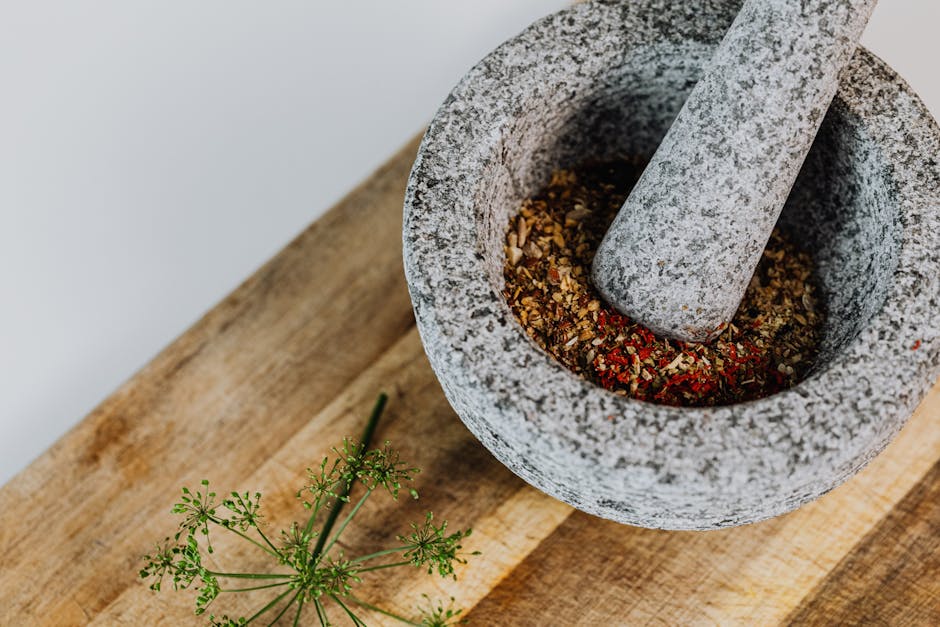
Her preferred spice palette reflects a blend of Mediterranean and Eastern European influences, enriched by global exploration. Garlic, smoked paprika, black pepper, thyme, and bay leaves frequently appear in her recipes, complemented by more aromatic additions like cardamom or star anise when appropriate. The result is a style that feels both familiar and intriguingly layered.
Technique Over Complexity: The Art of Controlled Cooking
While many modern chefs lean toward elaborate presentations and experimental techniques, Andreea Martini advocates for a more grounded approach. For her, technique is not about showcasing skill for its own sake—it is about achieving consistency and enhancing flavor.
She emphasizes the importance of mastering fundamental cooking methods such as sautéing, roasting, braising, and reduction. Each technique, when executed correctly, unlocks different dimensions of an ingredient. Roasting, for instance, intensifies sweetness and creates caramelization, while slow braising develops tenderness and depth.
Temperature control is another critical aspect of her philosophy. Martini often highlights how subtle adjustments in heat can dramatically affect outcomes. Cooking too quickly can compromise texture and flavor, while controlled, gradual heat allows ingredients to develop fully. This precision is especially important when working with spices, as excessive heat can cause bitterness.
Timing also plays a central role. Martini carefully considers when to introduce each component, ensuring that no element dominates unnecessarily. Fresh herbs may be added at the end to preserve brightness, while dried spices are incorporated earlier to allow their flavors to infuse the dish.
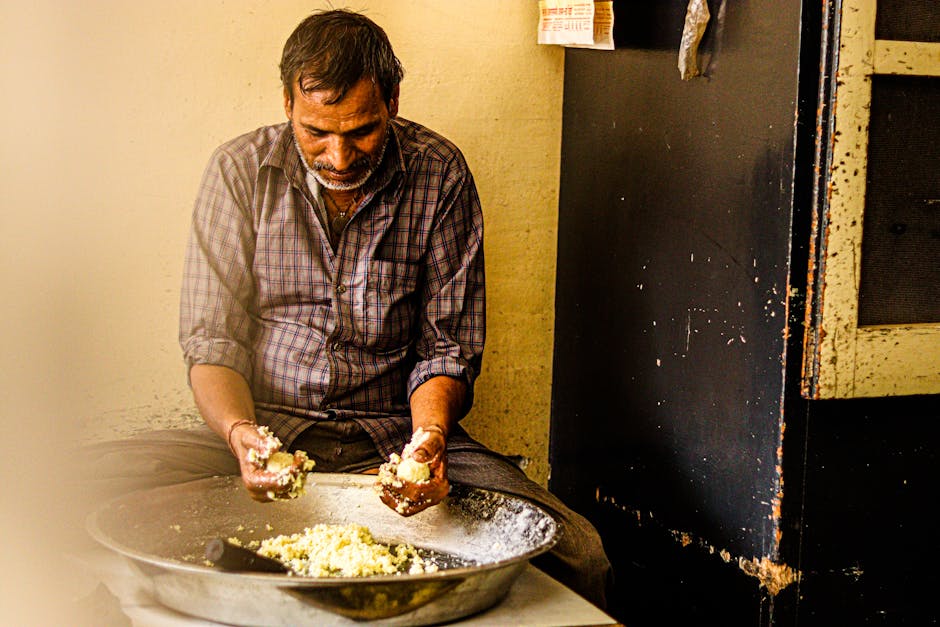
Her approach extends beyond technique into mindset. She encourages cooks to remain attentive and responsive, treating each dish as a dynamic process rather than a fixed formula. This perspective fosters creativity while maintaining a strong technical foundation.
Importantly, Martini’s style is accessible. She avoids overly complicated procedures, instead demonstrating how simple techniques, when applied thoughtfully, can produce exceptional results. This accessibility has contributed to her growing influence among both amateur cooks and seasoned professionals.
A Modern Culinary Identity Rooted in Tradition
Despite her openness to innovation, Andreea Martini remains deeply connected to culinary tradition. She views traditional recipes not as limitations, but as starting points for exploration. By understanding the cultural and historical context of a dish, she is able to reinterpret it in a way that feels both respectful and contemporary.
This balance between old and new is evident in her use of spices. Traditional combinations are preserved, but often refined or adjusted to suit modern palates. For example, a classic stew might be enhanced with a subtle infusion of unexpected spices, adding complexity without disrupting its essence.
Martini also places strong emphasis on seasonality. She believes that ingredients should be used at their peak, allowing natural flavors to shine. This approach not only improves taste but also aligns with sustainable practices, reducing reliance on processed or imported goods.

Another defining element of her work is the integration of sensory experience. She encourages cooks to engage all senses—taste, smell, texture, and even sound—throughout the cooking process. This holistic awareness leads to more intuitive decision-making and ultimately better results.
In recent years, her influence has expanded beyond the kitchen. Through workshops, digital platforms, and collaborations, Martini has contributed to a broader cultural appreciation of cooking as both craft and art. Her teachings resonate particularly in a time when people are seeking meaningful, hands-on experiences in contrast to fast-paced digital consumption.
Ultimately, Andreea Martini’s approach reflects a larger movement within modern cuisine—one that values authenticity, intentionality, and balance. By combining technical precision with creative freedom, she demonstrates that cooking is not about perfection, but about connection: to ingredients, to culture, and to the people who share the meal.
As culinary trends continue to evolve, her philosophy offers a timeless reminder that great cooking begins with respect—for the process, for the ingredients, and for the story each dish has to tell.