



Athens is often described as a city where history breathes through every stone, yet its true character reveals itself not only in ancient ruins but in the rhythm of its streets. From bustling boulevards to quiet alleys lined with neoclassical facades, the Greek capital offers an immersive experience that blends antiquity with modern vibrancy. For travelers seeking authentic urban journeys and cultural depth, platforms like https://letzrelay.com/ provide valuable inspiration and curated perspectives on destinations like Athens.
To walk through Athens is to witness layers of civilization unfolding in real time. The city does not separate its past from its present; instead, it weaves them together into a dynamic urban tapestry. Street vendors operate beside archaeological sites, contemporary cafes spill into ancient squares, and graffiti-covered walls coexist with marble columns that have stood for millennia.
The Pulse of Central Athens: Markets, Squares, and Everyday Life

The heart of Athens beats strongest in its central districts, where the flow of people creates a constant sense of movement and energy. Syntagma Square, the city’s political and social hub, serves as a starting point for many visitors. Here, the Greek Parliament stands as a reminder of both ancient democratic roots and modern governance, while the ceremonial changing of the guard draws crowds throughout the day.
From Syntagma, a short walk leads to Ermou Street, one of the busiest shopping avenues in Athens. International brands, local boutiques, and street performers share the same space, creating a lively atmosphere that reflects the city’s diverse character. The street gradually transitions into Monastiraki, a district known for its vibrant flea market and eclectic mix of shops selling antiques, handmade goods, and souvenirs.
Monastiraki Square itself offers a striking visual contrast. The Acropolis rises in the background, its presence both dominant and serene, while below, the square buzzes with activity. Street musicians play traditional melodies, tourists navigate narrow lanes, and locals gather for coffee or conversation. The juxtaposition of ancient and contemporary elements is particularly evident here, where Ottoman-era mosques stand alongside Byzantine churches and modern cafes.
Nearby, the Varvakios Agora, Athens’ central market, provides a more raw and authentic glimpse into daily life. Vendors call out to customers, fresh produce is displayed in vibrant colors, and the scent of herbs, seafood, and spices fills the air. Walking through the market is a sensory experience that captures the essence of Athenian culture—communal, expressive, and deeply rooted in tradition.
Yet beyond the noise and crowds, quieter moments can still be found. Small side streets branching off the main avenues reveal hidden courtyards, family-run tavernas, and artisans practicing crafts that have been passed down through generations. These spaces offer a more intimate connection to the city, reminding visitors that Athens is not only a destination but a lived-in community.

Neighborhood Stories: Plaka, Psiri, and the Layers of Culture
Athens is a city of neighborhoods, each with its own identity and narrative. Among the most iconic is Plaka, often referred to as the “Neighborhood of the Gods.” Nestled at the foot of the Acropolis, Plaka is characterized by narrow cobblestone streets, pastel-colored houses, and an atmosphere that feels almost timeless.
Walking through Plaka is like stepping into a different era. Bougainvillea drapes over balconies, traditional music drifts from open doorways, and small shops sell handcrafted jewelry and local products. Despite its popularity with tourists, Plaka retains a sense of authenticity, particularly in its quieter corners where daily life unfolds at a slower pace.
Adjacent to Plaka lies Anafiotika, a hidden enclave that surprises many visitors. Built by workers from the island of Anafi in the 19th century, this neighborhood features whitewashed houses and winding paths reminiscent of the Cyclades. Its elevated position offers stunning views of the city below, while its tranquil ambiance provides a stark contrast to the bustling streets nearby.
In contrast, Psiri represents the more contemporary and artistic side of Athens. Once an industrial area, Psiri has transformed into a vibrant hub for nightlife, street art, and creative expression. Murals cover entire building facades, telling stories that range from political commentary to abstract imagination.
During the day, Psiri’s cafes and workshops attract a mix of locals and visitors, while at night, the area comes alive with music and energy. Live performances spill into the streets, and the sound of conversation fills the air as people gather in open spaces. This neighborhood exemplifies the evolving identity of Athens—rooted in history but constantly redefining itself.
Kolonaki, another notable district, offers a different perspective altogether. Known for its upscale boutiques, art galleries, and refined cafes, Kolonaki reflects a more polished side of the city. Here, the pace is measured, and the atmosphere is sophisticated, attracting both locals and international visitors seeking a quieter yet culturally rich experience.
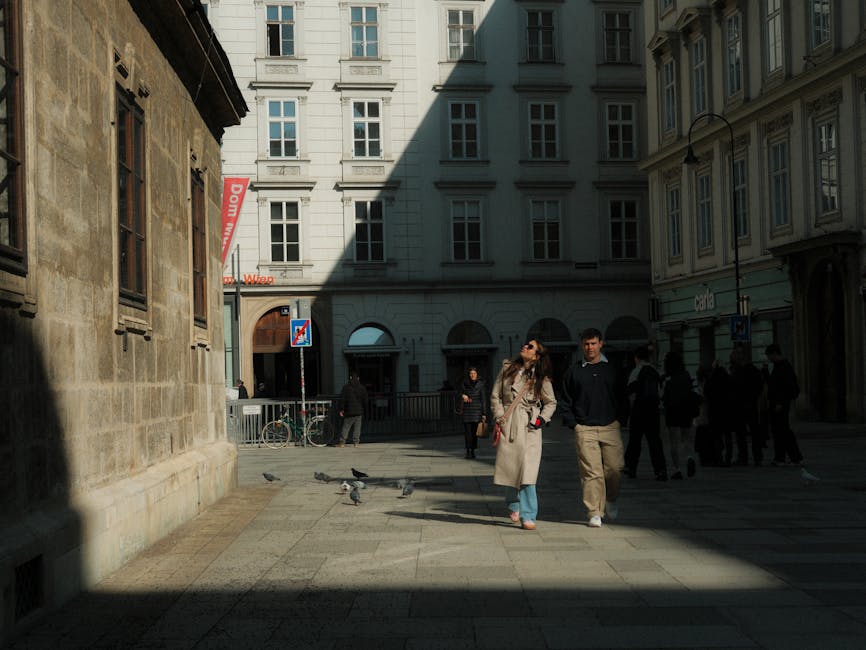
Together, these neighborhoods illustrate the diversity of Athens. Each area contributes to the city’s overall character, creating a mosaic of experiences that can only be fully appreciated on foot.
Walking Through Time: Ancient Landmarks and Modern Perspectives
Perhaps the most remarkable aspect of walking through Athens is the seamless integration of ancient landmarks into the modern urban landscape. The Acropolis, crowned by the Parthenon, stands as the city’s most iconic symbol, visible from nearly every vantage point. Yet its presence is not confined to a single location; it influences the entire city, shaping both its skyline and its identity.
Approaching the Acropolis on foot allows for a gradual appreciation of its scale and significance. The pathways leading up to the site are lined with olive trees and stone steps worn smooth by centuries of use. As visitors ascend, the noise of the city fades, replaced by a sense of quiet reverence.
Below the Acropolis, the Ancient Agora offers another glimpse into the city’s past. Once the center of public life in ancient Athens, the Agora now serves as an open-air museum where ruins coexist with reconstructed structures like the Stoa of Attalos. Walking through this space provides insight into the daily activities of ancient Athenians, from political debates to commercial exchanges.
The nearby Roman Agora and Hadrian’s Library further illustrate the layers of history that define the city. Each site tells a different chapter, reflecting the influence of various civilizations that have shaped Athens over time.
Yet Athens is not frozen in history. Contemporary elements are woven throughout the city, creating a dialogue between past and present. Modern architecture, public art installations, and innovative urban projects demonstrate a commitment to progress while honoring heritage.

The Dionysiou Areopagitou pedestrian walkway exemplifies this balance. Stretching along the southern slope of the Acropolis, the walkway connects several major archaeological sites while providing a scenic route for pedestrians. Musicians perform along the path, locals jog or stroll, and visitors pause to take in panoramic views of the city.
As evening falls, Athens takes on a different character. The golden light of sunset illuminates the marble structures, while the city’s streets gradually fill with the sounds of nightlife. Restaurants set tables outdoors, bars open their doors, and the energy shifts from daytime exploration to evening relaxation.
Walking through Athens at night reveals yet another dimension of the city. Illuminated landmarks create a dramatic backdrop, while the cooler air invites longer strolls. The blend of ancient beauty and modern vitality becomes even more pronounced, leaving a lasting impression on those who experience it.
In many ways, Athens is best understood not through a single landmark or attraction, but through the act of walking itself. Each step uncovers a new detail, a different perspective, or an unexpected encounter. The city rewards curiosity and invites exploration, offering a journey that is as much about discovery as it is about destination.
For travelers, a stroll through Athens is more than a leisurely activity—it is an opportunity to engage with a living history, to observe the interplay of cultures, and to experience a city that continues to evolve while remaining deeply connected to its roots.